
Why Is Your Garage Door So Loud?
If your garage door has started grinding, squealing, rattling, or banging every time it opens or closes, you're not alone. Noisy garage doors are one of the most common complaints we hear from homeowners in Carmichael and the surrounding area. While it's tempting to ignore the sound and hope it goes away, a loud garage door is usually trying to tell you something — and the sooner you listen, the less likely you are to face a bigger, more expensive problem down the road.
In this post, we'll walk through the most common reasons your garage door is making noise, what each sound typically means, and when it's time to call a professional.
Common Causes of a Noisy Garage Door
1. Worn or Dry Rollers
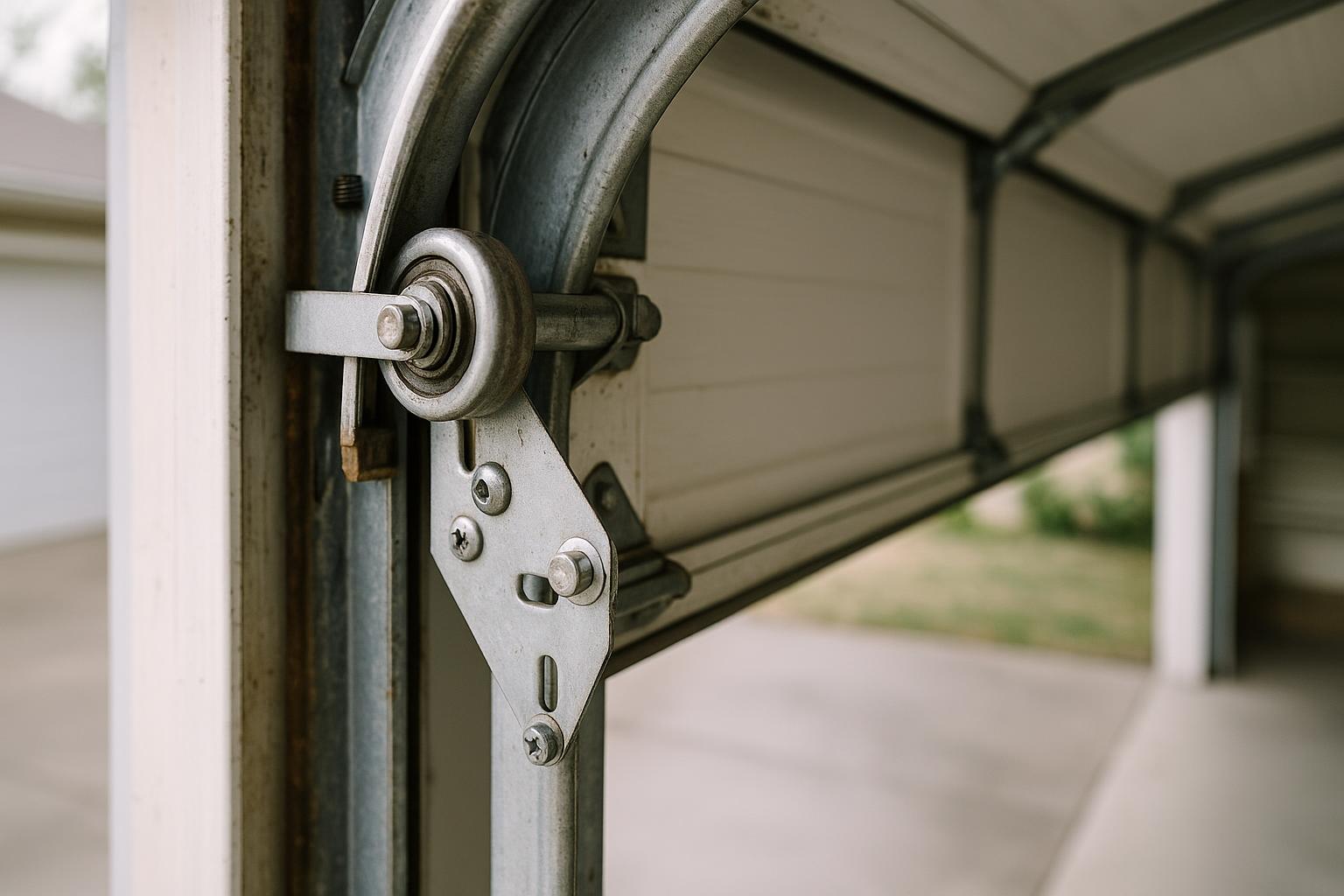
Garage door rollers guide the door along its tracks as it opens and closes. Over time, these rollers wear down, develop flat spots, or lose their lubrication. When that happens, you'll often hear a grinding or squealing noise as the door moves.
Metal rollers are especially prone to becoming noisy as they age. Nylon rollers, on the other hand, tend to run much more quietly and last longer. If your rollers haven't been replaced in several years, worn rollers are one of the first things to check.
2. Lack of Lubrication
This is one of the simplest and most overlooked causes of garage door noise. The moving parts of your garage door — including the hinges, rollers, springs, and bearing plates — need regular lubrication to operate smoothly. Without it, metal-on-metal friction creates squeaking, grinding, and creaking sounds.
A garage door-specific lubricant (not WD-40, which is a solvent rather than a true lubricant) applied to these parts every six months can make a dramatic difference in how quietly your door operates.
3. Loose Hardware
Your garage door moves up and down hundreds of times a year. All that vibration gradually loosens nuts, bolts, and brackets throughout the system. Loose hardware often causes a rattling or vibrating noise that seems to come from everywhere at once.
A simple inspection with a socket wrench can help you tighten things up. Pay special attention to the hinges, roller brackets, and the bolts that secure the track to the wall and ceiling.
4. Worn or Unbalanced Springs
Garage door springs bear the full weight of the door and are under enormous tension. As they age, they can start to make popping, creaking, or snapping sounds. If you hear a loud bang from your garage, it may mean a spring has already broken.
Spring issues are not a DIY repair. The tension involved makes working on garage door springs extremely dangerous without the proper tools and training. If you suspect your springs are the source of the noise, it's best to have a professional inspect them.
5. Bent or Misaligned Tracks
The metal tracks that guide your garage door need to be properly aligned and free of dents or bends. Even a small misalignment can cause the door to scrape, grind, or pop as it moves. You might also notice the door hesitating or jerking at certain points during its travel.
Inspect the tracks visually for obvious bends, gaps between the rollers and the track, or debris that might be causing an obstruction. Minor alignment issues can sometimes be corrected by loosening the track brackets and gently tapping the track back into position, but significant bends usually require professional attention.
6. An Aging or Failing Opener
If the noise seems to be coming from the motor unit mounted on your ceiling rather than the door itself, your garage door opener may be the culprit. Chain-drive openers are inherently louder than belt-drive models, but even a chain-drive opener shouldn't sound strained or like it's struggling.
Grinding or humming from the opener can indicate worn gears inside the motor unit. If your opener is more than 10 to 15 years old, replacement with a modern belt-drive model is often the most cost-effective solution — and you'll be amazed at how much quieter your garage becomes.
7. Vibration Transferring to the Structure
Sometimes the garage door itself isn't particularly loud, but the vibration from its operation transfers into the walls and ceiling of your home. This is especially common in homes where the garage is attached and a bedroom or living space sits directly above or beside it. Anti-vibration pads installed between the opener and the ceiling, along with proper hardware tightening, can help reduce this type of noise significantly.
Quick Troubleshooting Checklist
If your garage door has gotten noisier, here's a simple process to start narrowing down the cause:
- Listen carefully — Try to identify where the noise is coming from. Is it the door, the tracks, or the opener?
- Visually inspect the tracks — Look for dents, debris, or gaps between the rollers and the track.
- Check the rollers — Are they cracked, chipped, or worn flat on one side?
- Tighten all visible hardware — Go over every nut and bolt you can safely reach.
- Apply lubricant — Use a silicone-based or lithium-based garage door lubricant on springs, hinges, rollers, and bearing plates.
- Test the door again — If the noise persists or you notice anything that looks damaged, it's time to call a professional.
When to Call a Professional
Some garage door noises point to issues that are easy to fix on your own, like tightening a loose bolt or spraying lubricant on a squeaky hinge. But others — especially those involving springs, cables, or the opener's internal components — require professional expertise and specialized tools.
You should call a garage door technician if:
- You hear a loud bang or snap, which may indicate a broken spring
- The door is visibly crooked or uneven when it moves
- Grinding noises persist after lubrication and hardware tightening
- The opener motor sounds strained or makes unusual humming noises
- You see frayed cables or damaged hardware that you're not comfortable replacing
Ignoring these warning signs can lead to a complete door failure, which is not only inconvenient but can also be a security and safety risk for your home and family.
Keep Your Garage Door Running Quietly in Carmichael
Living in Carmichael means dealing with temperature swings between hot summers and cool winters, and those seasonal changes can accelerate wear on your garage door's moving parts. Regular maintenance — ideally twice a year — goes a long way toward keeping your door quiet, safe, and reliable for years to come.
At Carmichael Garage Door, we help homeowners across Carmichael, Fair Oaks, Citrus Heights, and the surrounding communities diagnose and fix noisy garage doors every day. Whether you need a simple tune-up, new rollers, or a full opener replacement, we'll give you an honest assessment and get the job done right. If your garage door has been keeping you — or your neighbors — up at night, give us a call and let's get it sorted out.